
In terms of UV resistance, cross-linked polyolefins are usually superior to silicone. The following analysis will be conducted from the aspects of material structure, weather resistance mechanism, and practical application scenarios:

(1)Material Structure and UV Resistance Principle
1.Silicone (silicone rubber)
①Molecular structure: The main chain is a silicon oxygen bond (-Si-O-), and the side chains are mostly methyl (-CH3) or other organic groups.
②Weakness of UV resistance: Although the bond energy of the silicon oxygen bond (about 368 kJ/mol) is higher than that of the carbon carbon bond (about 346 kJ/mol), the side chain organic groups (such as methyl) are susceptible to UV excitation, generating free radicals and triggering oxidative degradation. In addition, if the surface of silicone is exposed to ultraviolet light for a long time, it may pulverize and crack, leading to a decrease in physical properties such as tensile strength and elasticity.
③Improvement method: It is necessary to enhance weather resistance by adding UV absorbers (such as benzotriazoles), antioxidants, or inorganic fillers (such as titanium dioxide), but fundamentally it still belongs to "passive protection" with limited long-term UV resistance.
2.Cross linked polyolefin
①Molecular structure: Based on polyolefins such as polyethylene (PE) and polypropylene (PP), a three-dimensional network structure is formed through chemical crosslinking (such as peroxide crosslinking) or physical crosslinking (such as irradiation crosslinking).
②Advantages of UV resistance: The polyolefin main chain consists of carbon carbon bonds (-C-C-), which have lower bond energies than silicon oxygen bonds. However, the cross-linked network structure has higher stability and is not easily damaged by UV radiation. If high-density polyethylene (HDPE) or metallocene polyethylene (mPE) is added to the raw materials, the molecular chain arrangement will be more regular and the UV resistance will be further improved. Carbon black (usually at a concentration of 2%~3%) can be added as a UV shielding agent. Carbon black can absorb UV energy and convert it into thermal energy, while inhibiting the generation of free radicals, achieving "active protection" and significantly enhancing weather resistance.
(2)Comparison between weather resistance testing and practical application
1.Laboratory testing
①Standard tests: such as ISO 4892 (UV aging test), ASTM G154 (fluorescent UV lamp exposure test).
②Result: After long-term (such as 1000 hours) UV irradiation, the mechanical property retention rate (such as tensile strength) of cross-linked polyolefins is usually higher than that of silica gel. For example, after 1000 hours of UV irradiation, the strength retention rate of irradiated cross-linked polyethylene (XLPE) can reach over 80%, while unmodified silica gel may drop below 50%.
2.Actual application scenarios
①Typical applications of cross-linked polyolefins:
Outdoor cable insulation layer (such as overhead cables, photovoltaic cables): It needs to be exposed to ultraviolet radiation and extreme weather for a long time. Cross linked polyolefins (such as XLPE) are widely used due to their excellent weather resistance. For example, the photovoltaic cable standard IEC 62108 explicitly requires materials to pass UV aging tests, and cross-linked polyolefins are the mainstream choice.
Outdoor pipes and boards, such as municipal drainage pipes (HDPE) and outdoor furniture, rely on cross-linked structures and carbon black additives to resist UV aging.
②Typical applications of silicone:
Short term outdoor scenarios: such as temporary outdoor electrical seals, waterproof rings for some outdoor lighting fixtures, but usually require weather resistant additives.
High temperature environment priority scenario: Silicone has outstanding performance in high temperature resistance (above 200℃) and is more advantageous in high temperature+UV composite environments (such as engine peripheral cables), but its UV resistance is still weaker than cross-linked polyolefin.
(3)Other influencing factors
1.Environmental synergy: Ultraviolet radiation often accelerates material aging in conjunction with factors such as oxygen, humidity, and temperature. The cross-linked network of cross-linked polyolefins and carbon black additives can simultaneously resist oxidation and ultraviolet radiation, while silicone, although resistant to oxidation, relies on additives for ultraviolet protection, resulting in poor long-term effectiveness.
2.Cost and processing: Cross linked polyolefins (such as XLPE) have lower costs and mature processing techniques (such as extrusion and cross-linking completed in one step); Silicone has a high cost and requires additional weather resistant additives, making it slightly more difficult to process.


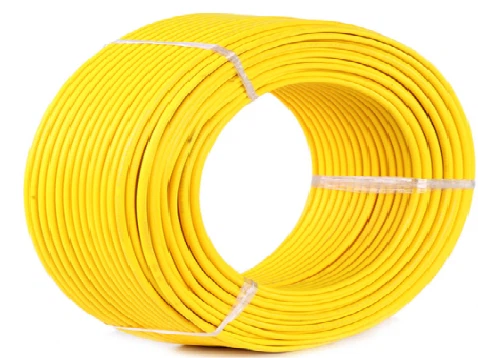
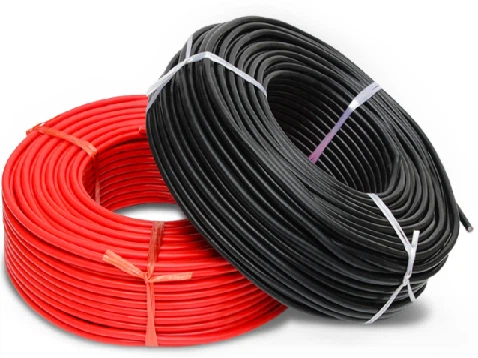
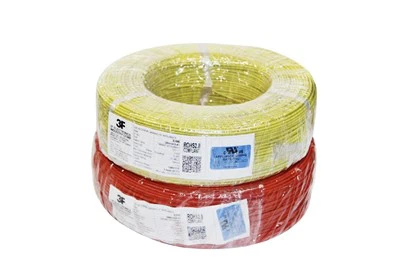
If "UV resistance" is taken as the core indicator, cross-linked polyolefins (especially cross-linked polyethylene with added carbon black) are superior to silicone and more suitable for long-term outdoor exposure scenarios. For example, our company's UL3173, UL3266, UL3817, and others are all wires made of cross-linked polyolefin materials. But silicone can be used in specific short-term or composite environments when combined with high-temperature and weather resistant additives. When making practical choices, a comprehensive evaluation should be conducted based on the UV intensity, temperature, and service life of the application scenario.