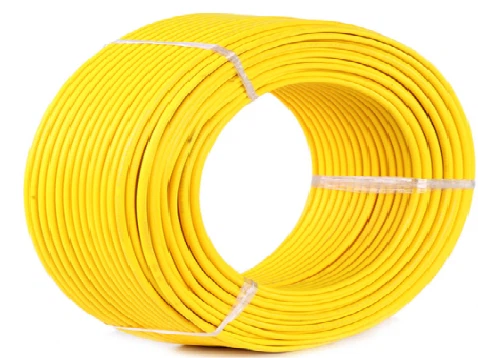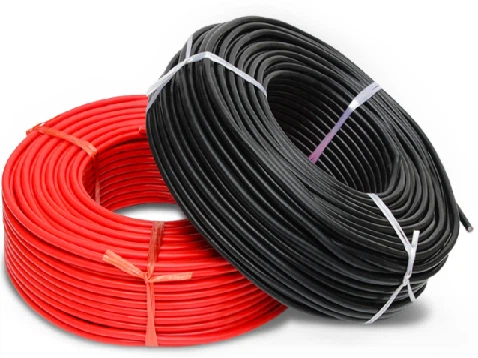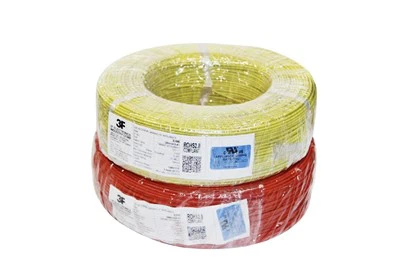

Magical XLEPDM (irradiated cross-linked EPDM) insulation material: low temperature soft, oil resistant, high temperature resistant, radiation resistant, ozone resistant. The insulation material is relatively light. UL AWM 3478 EPDM 125C 600V wire is a special insulated wire that complies with UL (Underwriters Laboratories) standards. Its core advantages come from the EPDM rubber insulation material and strict certification specifications, which are widely suitable for industrial and civilian scenarios with medium to high temperatures and multiple environmental stresses. The following analysis will be conducted from three aspects: technical characteristics, performance parameters, and typical applications:
(1)Material characteristics: Multi dimensional advantages of EPDM insulation
The wire uses ethylene propylene diene monomer (EPDM) as the insulation layer. This synthetic rubber has significant performance advantages due to the highly stable ethylene propylene chain segment in its molecular structure:
-
Weather resistance and aging resistance: It can resist the long-term erosion of ultraviolet ray, ozone, rain and temperature fluctuation, and its service life in outdoor or open environment is far longer than ordinary PVC wires.
-
Wide temperature range adaptability: The rated working temperature is 125℃, and it can operate briefly or intermittently at 150-200℃, while still maintaining elasticity in low temperature environments to avoid brittle fracture.
-
Chemical tolerance: It has good resistance to acidic and alkaline solutions, water vapor, and most industrial oils and fats, especially suitable for chemical contact scenarios such as mechanical manufacturing and automobiles.
-
Electrical insulation stability: With high dielectric strength, it can effectively prevent current leakage and short circuit risks at 600V rated voltage. The insulation layer thickness is uniform (minimum 0.69mm), further improving electrical safety.

(2)Structure and craftsmanship: balancing performance and processability
-
Conductor design: Single or multiple stranded tinned/bare copper conductors are used, with specifications covering 30-40/0 AWG (cross-sectional area 0.145-111.65mm2). Tin plating treatment can enhance oxidation resistance, and the stranded structure improves wire flexibility, making it easy to route in narrow spaces.
-
Flame retardant and environmental protection: Passed UL VW-1 and CSA FT1 vertical combustion tests, with low flame propagation speed and good self extinguishing performance; Simultaneously complying with ROHS/REACH environmental standards, free from harmful substances such as lead and cadmium, and suitable for green production requirements.
-
Easy processing: The insulation layer is formed by hot extrusion technology, and the low viscosity characteristics of EPDM material make it compatible with high proportion inorganic fillers (such as calcium carbonate) during processing, which not only reduces costs but also enhances wear resistance and rigidity. The insulation layer is easy to peel off and cut, improving assembly efficiency.

| Category | Specific Indicators | Instructions |
| Electrical Performance |
Rated voltage 600V, conductor resistance (20℃) |
16AWG is 17.4 Ω/km 10AWG is 5.4 Ω/km Meeting the power supply needs of medium and low voltage equipment |
| Thermal Performance |
Rated temperature 125℃ Short term temperature resistance of 150-200℃ |
Suitable for medium and high temperature working conditions such as ovens and motors |
| Mechanical Properties |
Minimum thickness of insulation layer 0.69mm Conductor twisted structure |
Stretching resistant Wear-resistant With a small bending radius Easy to install |
| Safety Certification | Compliant with UL 758, UL 1581, UL 62 standards | Through rigorous tests such as vertical combustion and aging resistance |
Based on the above characteristics, this wire is mainly suitable for internal wiring requirements with medium temperature and multiple environmental stresses.
Industrial and household appliances
(1)The internal connection wires of high-temperature household appliances such as ovens, microwaves, and electric water heaters need to withstand a continuous working temperature of 125℃.
(2)The lead wires of motors and transformers utilize the aging resistance and insulation stability of EPDM to ensure long-term operation of the equipment.
Automobile and Machinery Manufacturing
(1)The wiring harness inside the engine compartment of a car (such as sensor leads) is resistant to the effects of oil, high temperature, and vibration.
(2)Control cables for industrial machinery, suitable for harsh workshop environments such as acid, alkali, and oil pollution.
Lighting and Electronic Equipment
(1)The internal wiring of high-temperature lighting fixtures (such as stage spotlights and industrial chandeliers) should meet the temperature requirements of the heat dissipation area of the lamp body.
(2)The internal wiring of electronic devices such as frequency converters and power adapters is adapted to medium and low voltage circuits with a rated voltage of 600V, and flame retardancy reduces the risk of equipment fire.
Special scenario extension
(1)The four-way valve lead of the air conditioner needs to withstand both high temperature and humidity changes simultaneously.
(2)The internal wiring of outdoor small electrical equipment, such as landscape light controllers, utilizes the weather resistance of EPDM to resist the impact of outdoor environments.
In summary, UL AWM 3478 wire, with EPDM insulation's weather resistance and high temperature resistance as its core, combined with UL certified safety assurance, has become the preferred solution for internal wiring in medium temperature and multi environmental stress scenarios, especially in industrial equipment, home appliances, automobiles and other fields, and is irreplaceable.