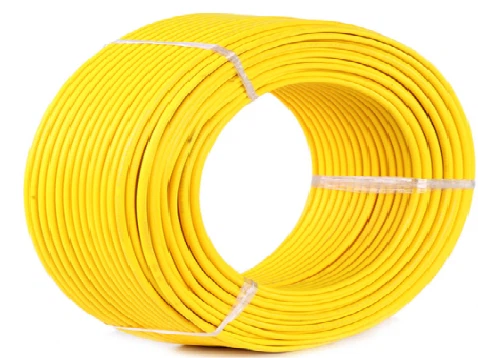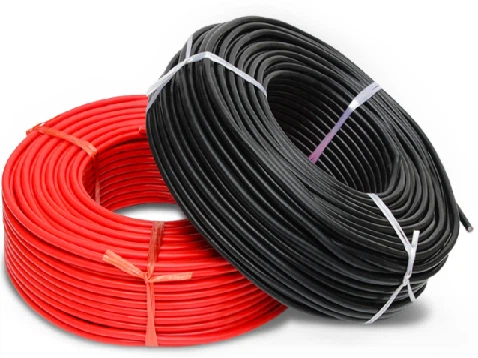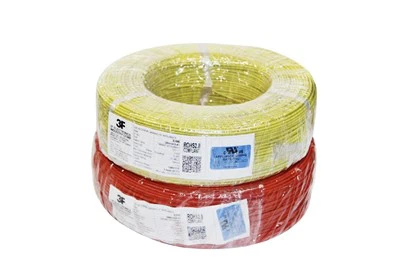

Axial flux motor (axial motor) production supporting: complete list of electronic wires, insulation sleeves, and cable ties
Axial motors are divided into industrial servo axial motors, new energy vehicle mounted axial motors, and unmanned aerial vehicle/model aircraft disc axial motors;
The selection is differentiated according to the insulation level of the motor (F-class 155℃/H-class 180℃/C-class 200℃+).
1 Production and use of electronic wires (divided into winding lead wires and internal signal/sensor electronic wires)
1) Winding power output line (stator coil output line, motor internal main line)
JG Silicone Rubber Motor Lead Wire (JB/T 6213)
Temperature resistance: 180℃ (H-grade), 600V/1000V; Tin plated soft copper, resistant to immersion paint and epoxy sealing
Applicable: The majority of industrial axial motors have stator winding lead wires
Fluoroplastic high-temperature wire (high-power/vehicle mounted high-temperature axial motor)
UL1332 (FEP, 200 ℃), UL10362 (PTFE Teflon, 260 ℃)
Advantages: Oil resistant, chemical resistant, extremely low paint absorption, suitable for new energy vehicle axial motors
UL3239 Silicone High Voltage Wire
200℃,3kV~20kV; High voltage axial motor, insulation strengthening model
UL3122 Silicone Rubber High Temperature Wire
200℃, 600V; soft, suitable for small axial stator disk wiring; Small and medium power axial motor outgoing line
Model aircraft/small unmanned aerial vehicle axial disc motor: directly using multi strand enameled Litz wire as winding, externally led out with UL1332.
2) Internal signal lines (PT100 temperature sensor, encoder, Hall signal line)
UL3385/UL3386 irradiated cross-linked XLPE electronic wire at 105℃
Universal internal low-voltage signal line; Moderate cost
UL3271 irradiated cross-linked XLPE at 125℃
Optimal selection of servo axial motor encoder wiring harness; VW-1 flame retardant
UL1061(PVC 105℃)
Only suitable for economical axial motors with low temperature rise and sufficient air cooling, not recommended for enclosed high-temperature models
UL1180/UL1549 FEP signal line (200 ℃)
High temperature sealed water-cooled axial motor and on-board motor sensor wiring
Brief differentiation of selection
B/F grade ordinary air-cooled axial motor: JG lead wire+UL3271 signal wire
H-class enclosed/water-cooled industrial axial motor: UL3122/UL1332
New energy vehicle axial motor: priority UL1332 (FEP), UL10362 (PTFE), resistant to coolant and oil
2 Insulation sleeve (core consumables for axial motors, classified by usage location)

1) Silicone resin fiberglass sleeve (silicone sleeve, most commonly used)
Commonly known as: self extinguishing tube, fiberglass silicon sleeve
Parameters: Long term temperature resistance of 200℃, instantaneous temperature of 250℃; Voltage withstand 1.5~7kV; UL VW-1 self extinguishing;
Usage position: insulation of winding lead welding points, protection of copper wire bends, insulation of stator outgoing line transitions; Suitable for F/H grade axial motors;
Specification: Φ 1.0 to Φ 20mm;
Attention: It can withstand immersion painting and epoxy sealing processes, and is the preferred sleeve for mass production of axial motors.
2) Pure fiberglass patterned tube (without silicon coating)
Temperature resistance: 450℃; Insulation is average and not resistant to capillary suction paint;
Usage: Only for temporary high-temperature isolation, rarely directly used for winding leads, mostly used for tooling protection.
3) Fluoroplastic casing (PTFE/FEP PTFE casing)
PTFE sleeve: -80~260℃; FEP sleeve: -65~200℃
Advantages: No paint suction, coolant resistance, oil resistance, low friction;
Application scenarios: Axial motors for new energy vehicles, leads near water cooling channels, and areas where lubricating oil is easily accessible;
Disadvantages: High hardness, less severe bending position compared to silicone fiberglass tube.
4) Silicone rubber extrusion sleeve (bare silicone tube, not fiberglass coated)
-60-200℃, excellent elasticity;
Applicable: The external flexible protection of the wiring harness assembly should not be directly applied to bare solder joints (which are prone to swelling by immersion in paint solvents).
5) Heat shrink tubing (divided into various types)
Polyolefin double wall adhesive heat shrink tubing (125℃)
The wiring harness passes through the motor housing and the joint is sealed and waterproof; Sealing of axial motor outlet holes;
Silicone rubber heat shrink tubing (200℃)
Insulation of high-temperature wire harness connectors; Shrinkage ratio 1.7:1;
FEP heat shrink tubing (200℃)
High end car motor internal narrow space joint;
6) PI polyimide tubing (imine tubing)
Long term 240℃, ultra-thin and ultra-high pressure resistance;
Application: Ultra thin flat axial motor, fine insulation in narrow space of stator slot (high-end servo axial motor), high cost.
✅ General matching scheme for mass production: inner layer of solder joint → silicone resin fiberglass sleeve; Line sealing → double wall heat shrink tubing with adhesive; Add FEP sleeve to the high-temperature area of the vehicle.
Wire harness (zip tie), bundling the internal wire harness of the axial motor
1) High temperature resistant nylon 66 cable tie (preferred)
Material: Heat Stabilized PA66 (Heat Stabilized Nylon 66)
Continuous operation: -40℃~150℃, UL94 V-2/V-0 flame retardant;
Applicable: The vast majority of industrial axial motors use internal wiring harnesses for bundling;
Brand references: Haier Mantong and Panduit high-temperature resistant series.
2) Fluoroplastic zip ties (PTFE zip ties)
Temperature resistance: -80~260℃; Oil resistant and chemical resistant;
Usage: Car mounted axial motor, high-temperature sealed chamber above 150℃ for a long time; High cost.
3) Silicone rubber cable tie (reusable)
Silicone Velcro cable tie; Mostly used for prototypes and testing fixtures; Not suitable for mass production of sealed motors (prone to oil stains and paint immersion).
Organize a standardized selection plan by model (directly used for procurement/process)
Plan A: Industrial F-class air-cooled axial servo motor (most universal)
Power lead: JG silicone rubber motor lead wire
Sensor signal wire: UL3271 (125 ℃ irradiated cross-linked electronic wire)
Insulation sleeve: Silicone resin glass fiber sleeve (main)+double wall adhesive heat shrink tube (shell outlet sealing)
Cable tie: Heat stable PA66 high temperature resistant cable tie (150 ℃ grade)
Plan B: H-class water-cooled enclosed axial motor/new energy vehicle mounted axial motor
Power lead: UL3122 silicone wire/UL1332 FEP PTFE wire
Sensor harness: UL1332 FEP signal wire
Insulation sleeve: Silicone resin fiberglass sleeve+FEP PTFE sleeve (oil/coolant area)+Silicone rubber heat shrink tubing
Wire harness: Heat stable flame-retardant PA66; PTFE zip ties are selected for extreme high temperature chambers
Plan C: Small unmanned aerial vehicle disc axial motor
Winding: Leeds wire; External lead UL1332 PTFE wire
Sleeve: Thin silicone resin fiberglass sleeve
Binding: Micro high temperature resistant nylon zip ties