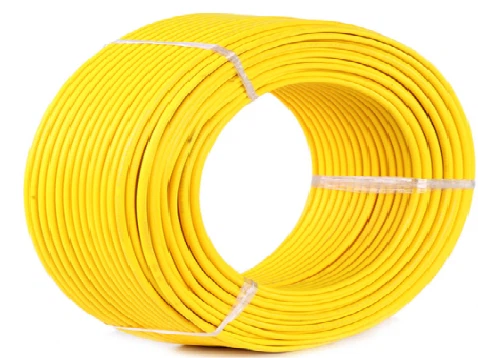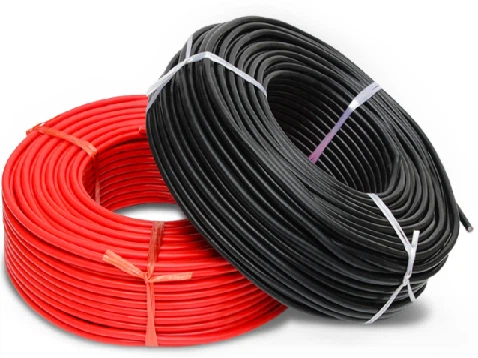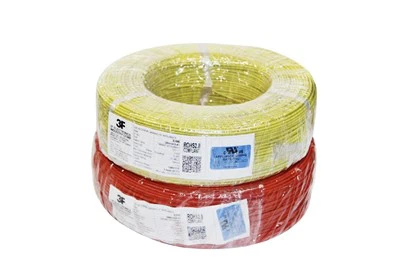

The core of missile engine cables is high temperature resistance, vibration resistance, electromagnetic interference resistance, and lightweight. Missile engine cable mainly use fluoroplastic insulated special cables of the US military standard MIL series, the national military standard GJB series, and the European EN series. The specifications are concentrated in 20-30 AWG (power) and 24-30 AWG (signal), and the voltage is mostly 600V level.
Core technical requirements (engine specific)
-
Temperature: Long term -65℃~+200℃, short-term up to 260℃+(near combustion chamber/nozzle)
-
Mechanics: Resistance to 10G+impact/vibration, high tensile strength, bending resistance, wear resistance
-
Electrical: 600V rated, low loss, high insulation resistance, shielding effectiveness ≥ 80~90dB
-
Environment: Fuel/hydraulic oil resistant, low smoke and halogen-free, radiation resistant, lightweight (silver/tin plated copper conductors)
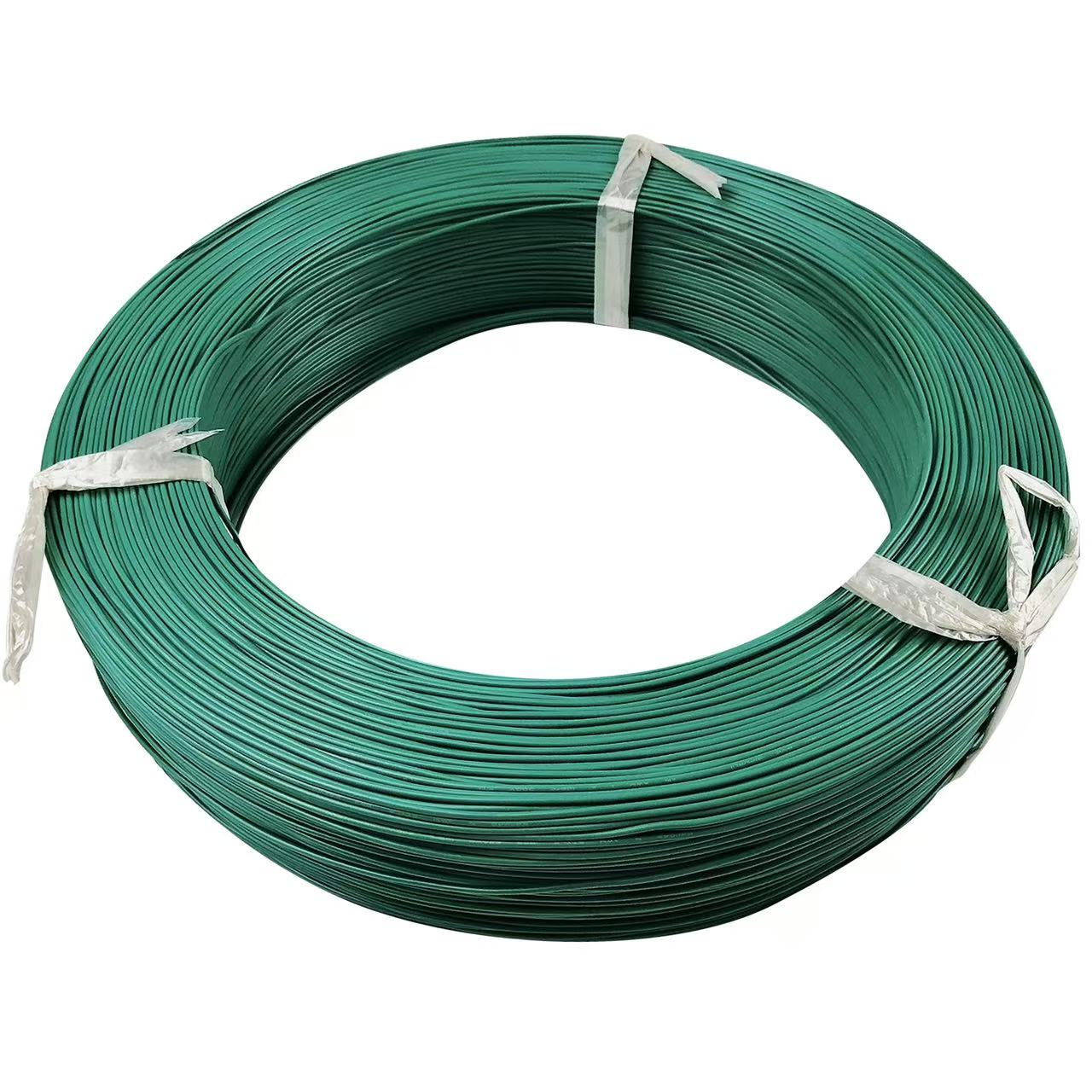
Mainstream models (according to standard system)
1.MIL series of US military standards (globally applicable)
(1)MIL-W-22759/M22759 (single core high-temperature wire, most commonly used)
Insulation: ETFE (-65~150℃), FEP (200℃), PTFE (250℃)
Conductor: Silver plated/tin plated copper, AWG 8~30 (commonly used for engines, 20~26 AWG)
Voltage: 600V
Usage: Ignition system, sensors, solenoid valves, pump control, general wiring
(2)MIL-C-27500/M27500 (multi-core shielded control cable)
Structure: Multi core+total shielding/sub shielding, fluoroplastic insulation
Usage: Engine Control Unit (ECU), Sensor Bus, Servo Drive
(3)M16878 series (lightweight aviation wire)
Features: Finer, lighter, temperature resistant to 150℃, suitable for high-density wiring
2.National Army Standard GJB Series (Domestic Models)
(1)GJB 773A/FF40 series (PTFE/FEP insulated high-temperature wire)
Model: FF40-1 (single core), FF40P11-1 (shielded)
Temperature: -60~200℃, voltage 600V
(2)C55/55A series (XL-ETFE irradiation crosslinking, GJB benchmarking M22759)
Model: C55/1112, 55A1121, etc, AWG 12~30
Features: Temperature resistance of 150℃, wear resistance, crack resistance, suitable for projectile/engine compartment
3.European EN series
(1)EN 2267/EN 3475 (Low smoke halogen-free, fire-resistant aerospace cables)
Usage: European missile/rocket engine, emphasizing fire prevention and environmental protection
Selection of specifications classified by function (typical engine)
1.Power/ignition cable (high current, high temperature)
Model: M22759/11 (PTFE, 250℃) FF40-1
Specification: 16~20 AWG (0.5~1.3mm2), 600V
Usage: Igniter, fuel valve, hydraulic pump, starter motor
2.Control/Sensor Cable (Signal, Shielding)
Model: M27500 (multi-core shielded), M22759/19 (shielded single core) FF40P11-1
Specification: 22-26 AWG (0.3~0.6mm2), 600V, shielding coverage ≥ 85%
Usage: Temperature/pressure/vibration sensors, ECU communication, servo control
3.Special scenario cable
Ultra high temperature zone (nozzle/combustion chamber): M22759/11 (PTFE, 250℃), ceramicized silicone rubber cable (short-term 300℃+)
High frequency/RF: SFCJ, SFV series coaxial cables (low loss, impedance stable)
Special for ignition: High voltage silicone rubber ignition cable (resistant to pulse high voltage and high temperature)
Quick overview of specifications (commonly used AWG and section)
| AWG | Nominal cross-sectional area mm2 | Typical use |
| 16 | 1.3 | Igniter, main valve power |
| 20 | 0.5 | Pump, solenoid valve, general power |
| 22 | 0.3 | Sensors and control signals |
| 24~26 | 0.2~0.13 | Thin signal lines, high-density wiring |
Missile engine cable key selection points
1.Temperature level priority: Select 200℃+(FEP/PTFE) for the engine compartment, and 250℃ near the nozzle+
2.Shielding required: Control/sensor wires must be single ended/double ended shielded to suppress electromagnetic interference
3.Conductor material: Silver plated copper is preferred for low resistance, oxidation resistance, and weight reduction, followed by tin plated copper
4.Standard compliance: Must comply with military/aerospace grade standards such as MIL, GJB, EN, etc., and pass NADCAP certification