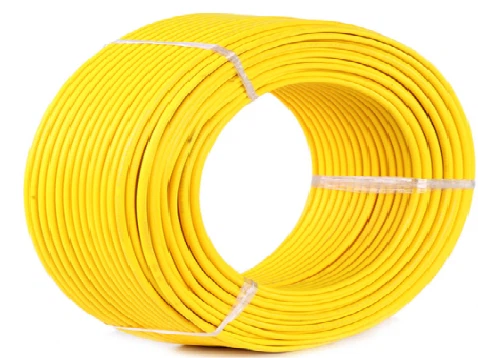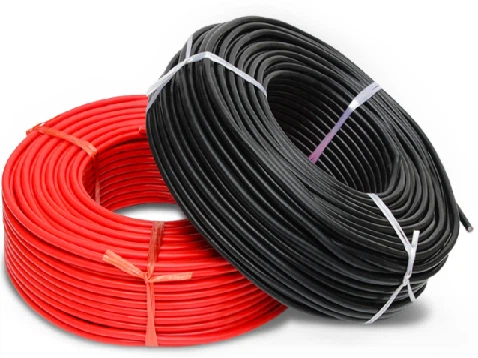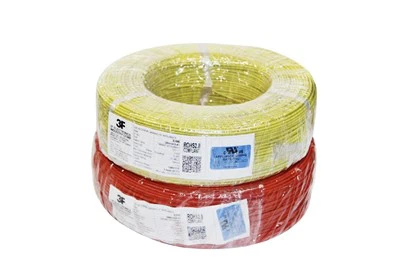

The UL 2468 series PVC insulated wires (218AWG, 220AWG, 2*22AWG) are a commonly used selection for LED light power cords.
The core advantage lies in compliance with UL safety standards, PVC insulation adaptation to lighting scene requirements, and dual core structure adaptation to the power supply circuit of LED lights (live wire+neutral wire). The following are detailed parameters, characteristics, and application adaptation analysis:
1.Core common parameters (universal across all specifications)
As a dual core wire under UL 2468 standard, the three share basic electrical and structural characteristics, suitable for the general power supply scenario of LED lights:
①Rated specifications: Rated voltage of 300V, rated temperature of 80℃, matching the working voltage (≤220V AC input) and temperature range (working temperature usually<60℃) of the vast majority of LED lights (household/commercial).
②Insulation and Conductors:
(1)Insulation material: PVC (polyvinyl chloride), with good electrical insulation, flame retardancy (tested by UL VW-1 vertical flame retardancy), moisture resistance, and uniform insulation thickness, making it easy to strip and cut LED lights during installation.
(2)Conductor material: optional tin plated/bare copper, multi stranded/single stranded solid copper. Stranded copper conductors have stronger flexibility and are suitable for bending when wiring LED lights (such as internal wiring of lamps and concealed installation on walls). Tin plated copper is more corrosion-resistant and extends its service life.
③Applicable standards: Complies with UL 758 and UL 1581 international standards, has clear safety certifications, and can meet the safety compliance requirements of household and commercial LED lights (such as CE and ROHS compatibility).
2.Key differences in different wire diameters (AWG) (2*18/20/22AWG)
AWG is the American standard for wire diameter. The smaller the value, the thicker the wire diameter, and the higher the current carrying capacity. The compatible LED light power and wiring distance are different. The comparison of core parameters is as follows:
| Specifications |
Conductor structure (number of strands/single strand diameter) |
Conductor diameter (mm) |
Overall size of wire (mm) |
Maximum conductor resistance at 20℃ (Ω/km) |
Core adaptation scenarios |
| 2*18AWG | 41/0.16 | 1.18 | 2.04 × 4.23 (flat) | 23.2 | High power LED lights (>50W), long-distance wiring (>10 meters) |
| 2*20AWG | 26/0.16 | 0.81 | Approximately 1.8 × 3.6 (flat) | 36.9 (reference calculation) | Medium power LED lights (20-50W), medium distance (5-10 meters) |
| 2*22AWG | 19/0.16 | 0.64 | Approximately 1.5 × 3.2 (flat) | 59.0 (reference calculation) | Low power LED lights (<20W), short distance wiring (<5 meters) |
Note: The wire diameter size and resistance value are derived from the UL 2468 standard. Different manufacturers may have an error of ± 0.1mm, and the core differences are concentrated in the current carrying capacity and adaptive power.
3.Key points of LED light application adaptation

Principle of matching power and wire diameter:
(1)2*22AWG: current carrying capacity of about 3-5A (refer to PVC insulated wire current carrying capacity standard), suitable for low-power LED lamps, such as LED tube lights (3-10W), LED light strips (5-12V low voltage version, connecting wire when powered by power adapter), LED spotlights (5-20W), suitable for short wire connection inside lamps or close distance wiring on walls (such as bedside lamps, cabinet lamps).
(2)2*20AWG: current carrying capacity of about 5-8A, suitable for medium power LED lamps such as LED ceiling lights (20-50W), LED panel lights (30-50W), and commercial window LED lights, can meet the power supply at a distance of 5-10 meters, with voltage loss<3% (to avoid LED flashing).
(3)2*18AWG: current carrying capacity of approximately 8-12A, suitable for high-power LED lighting fixtures such as LED mining lights (50-100W), LED street lights (60-120W), and power lines for large LED display screens. Suitable for long-distance wiring (such as LED lighting systems in factories and parking lots), reducing heat caused by current loss.
Structural adaptation advantages:
(1)Dual core parallel structure (flat ribbon cable) can reduce winding during wiring, especially suitable for narrow internal spaces of LED lights (such as lamp housings and lamp slots), and the color can be customized (commonly black red/red blue color separation), making it easy to distinguish between live and neutral wires and reducing the risk of wiring errors.
(2)PVC insulation is lightweight and cost-effective, making it more suitable for cost control of mass-produced LED lights (such as household LED ceiling lights and commercial LED strips) compared to silicone and PTFE insulated wires, while meeting basic flame retardant and insulation requirements.

4.Precautions for use
Temperature limit
The rated temperature is 80℃. It is necessary to avoid direct contact between the heating core components of the LED lamp (such as the driving power supply and the lamp bead substrate) and the wire insulation layer to prevent long-term high temperature accelerated aging.
Wiring environment
PVC insulation is not resistant to oil and strong chemical corrosion. If used for outdoor LED lights (such as street lamps), it needs to be equipped with waterproof sleeves or choose a modified PVC version for outdoor use; When used indoors, it is necessary to stay away from damp and high-temperature areas (such as near the kitchen stove).
Compliance requirements
As a power cord for LED lights, it is necessary to ensure that the entire lamp has passed UL, CE and other corresponding regional certifications. The wire connection should be fixed with compliant terminals (such as cold pressed terminals) to avoid false connection and heat generation.
5.Summary
The UL 2468 PVC dual core series wire is a highly adaptable selection for LED light power lines: 222 AWG is preferred for low-power short distance scenarios, 220 AWG for medium power conventional scenarios, and 2*18AWG for high-power long-distance scenarios. Its standardized specifications, safety certifications, and cost advantages make it widely used in the power supply circuits of household and commercial LED lighting equipment.