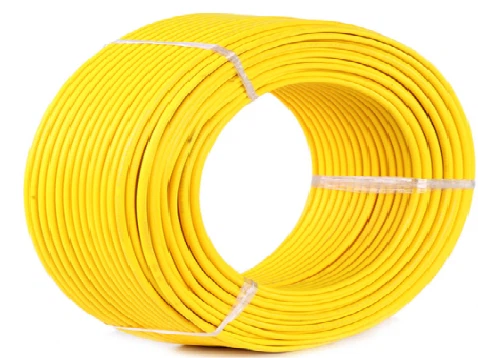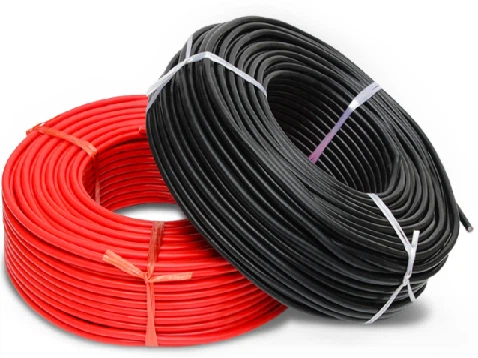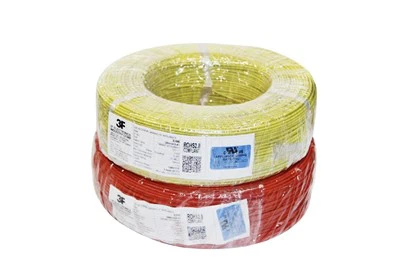

3F data center power supply includes: server power supply UPS, Precision distribution cabinet PDU,BMS, Energy storage inverters, wiring inside cabinets, bus branch lines, etc. Overall features: High Voltage Direct Current (HVDC), high current, high temperature, high plug and play, flame retardant, low smoke and halogen-free, vibration resistance, EMI shielding, with significant differences in electronic wire selection for different parts.
Below is a breakdown by application scenario, wire model, material, core requirements, and risk points. Explanation: Electronic wires generally refer to AWM series single core insulated wires, multi-core sheathed wires, and shielded wires.
(1) Core usage scenarios and corresponding electronic cables
1. Internal wiring of power supply (PCB to transformer, capacitor, power device, terminal block)
This is the area with the highest usage of narrow "electronic wires", mainly UL AWM series.
UL AWM 10109
Insulation: XLPE irradiated cross-linked polyethylene
Temperature resistance: 125℃, 600V, flame retardant VW-1
Features: thin insulation, high voltage resistance, anti-aging, low dielectric, not easy to melt and drip; Server power supply and module power supply are commonly used internally, suitable for AC input and bus DC high-voltage circuits.
UL AWM 3584
Insulation: XLPE irradiation crosslinking
Temperature resistance: 150 ℃, 600V, VW-1
Features: Higher temperature resistance than 10109, preferred for high temperature areas near power devices (MOS, IGBT, inductors); Heat resistant aging, suitable for high-density power modules.
UL AWM 3239
Insulation: Silicone
Temperature resistance: 200℃, 3000V high voltage
Features: Extremely high temperature resistant and soft; Commonly used for transformer lead wires and hot end jumpers. Disadvantages: The mechanical wear resistance is average and cannot be used for external wiring.
UL AWM 1332
FEP Teflon, 200 ℃, 600V
High temperature resistance, chemical resistance, low smoke; Small wire diameter, small space jumper. The cost is relatively high.
Common requirements for internal wiring: ① Radiation cross-linked XLPE (10109/3584) is the mainstream power supply for data centers. Compared with PVC, it does not soften at high temperatures, is flame retardant, and has low toxicity; PVC electronic wires (such as 1007) are generally not recommended for high-power circuits inside data center power supplies, as high temperatures can melt and release toxic fumes.
2. Power module external leads (power to backplane, power to busbar, power to fan)
Most of them are multi-core sheathed wires/single core low smoke halogen-free wires, and some require shielding.
Low smoke halogen-free single core wire LSZH (UL AWM 3817)
Insulation: Polyolefin LSZH, flame retardant and low smoke
Scenario: The power supply inside the cabinet is led out. Once a fire occurs, it reduces smoke and ensures the escape of the computer room and visibility of the equipment. The external outgoing lines of the computer room are forced to lean towards low smoke and halogen-free.
Shielded wire (multi-core+aluminum foil+braided shielding)
Purpose: Signal control line, PMBus,I2C, Temperature sampling and fan speed regulation; Suppress high-frequency EMI noise from switching power supplies.
Attention: The power circuit does not require shielded wires, as shielding will increase parasitic capacitance and leakage current under high voltage.
3. UPS/Energy Storage Converter BMS Sampling Line (Weak Current Signal)
UL AWM; Multi core shielding, 22-26AWG fine wire
Requirement: Low capacitance, reliable shielding grounding, to prevent switch noise from entering voltage sampling and causing false triggering of protection.
4. PDU,Cabinet branch low-voltage wiring
LSZH single core wire, 600V, VW-1; Part of the internal connections are made using UL10109.
Key points: Wear resistant, repeatedly plug and unplug terminals to resist creep.
(2) Comparison of Material Categories (Core Selection of Data Center Power Supply)
| Insulating material | Representative wire | Heat-resistant | Flame retardant | Characteristics | Applicable location |
| Radiation cross-linked XLPE | 10109 / 3584 | 125/150℃ | VW-1 | Low smoke, short circuit resistance, non melting dripping, moderate cost | Power circuit, internal main line of power supply (preferred) |
| Silicone | 3239 | 200℃ | VW-1 | Extremely soft and heat-resistant; Mechanical deficiency | High temperature jumper wires for transformers and power devices |
| FEP/PTFE Teflon | 1332/1658 | 200~260℃ | VW-1 | Chemical resistant and low smoke; expensive | Narrow high temperature small signal jumper |
| PVC | 1007 | 105℃ | VW-1 | Cheap; High temperature melting, thick smoke | Try to disable high-power power supplies in data centers as much as possible |
| LSZH polyolefin sheath | 105~125℃ | VW-1 | Low smoke zero halogen | Internal and external lead wires of the cabinet |
(3) Electrical and reliability key indicators (special requirements for data center scenarios)
1. Rated voltage server power supply AC input: 300/600V; HVDC room (240V/380V DC) bus circuit, uniformly using 600V grade wire, leaving safety margin.
2. The basic requirement for flame-retardant grade computer rooms is VW-1 (UL vertical combustion), which cannot only meet VW-2; The overall specifications of the computer room often require low smoke zero halogen (LSZH) for external wiring of the cabinet, and XLPE (10109/3584) can be used inside the power supply body.
3. Principles for selecting temperature resistance levels
Conventional area: 125 ℃ (AWM10109)
Close to inductors and MOS transistor hotspots: 150 ℃ (AWM3584)
Transformer winding lead: 200 ℃ silicone wire 3239
4. Mechanical reliability power supply production line assembly bending and vibration testing (continuous vibration of data center equipment throughout the year), irradiation cross-linked wire has better bending resistance than ordinary thermoplastic insulation.
5.EMI
Power line: unshielded, reducing parasitic capacitance;
Signal sampling line: aluminum foil+braided double-layer shielding, single point grounding.
6. The XLPE insulation hardness for terminal crimping is higher than that of PVC, and the crimping mold needs to be matched; Teflon wires are slippery and prone to poor crimping, requiring special terminals.
(4) Priority ranking of AWM cable usage in data center power supply
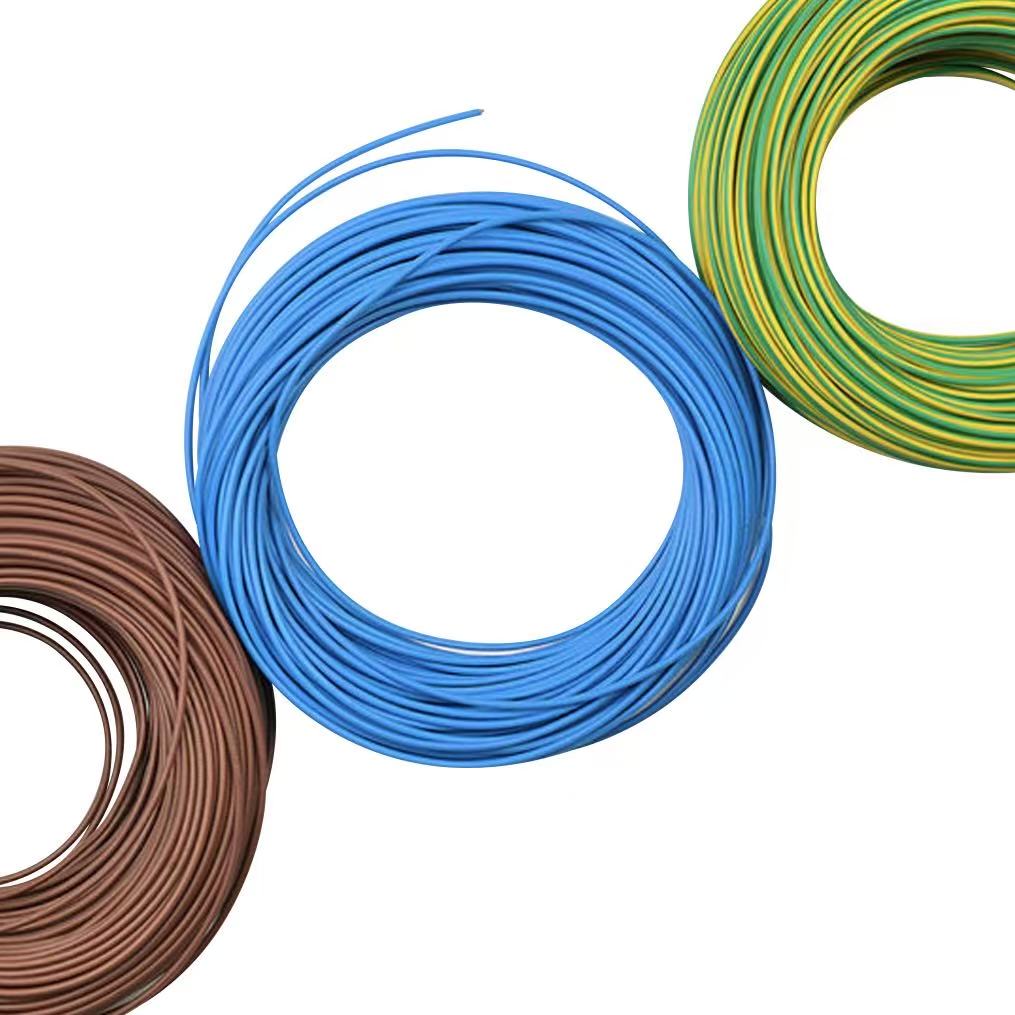
UL AWM10109 (600V, 125℃ XLPE): Quantity first, power supply internal main line
UL AWM3584 (600V, 150℃ XLPE): High temperature power zone
UL AWM3239 (Silicone): Transformer Hot End Jumper
UL AWM 3633 (LSZH): Power Communication/Sampling Signal Line
UL AWM1332 (FEP): A small amount of high-temperature small wire diamete
(5) Industry pain points and selection risks
1. Confusion of AWM wire usage: AWM is a wiring wire, not a power cable; AWM electronic cables cannot replace cabinet busbar cables.
2. Risk of PVC wire replacement: The low-cost solution uses UL1007 PVC, which may drip molten material and ignite surrounding components in case of power failure and overheating, posing a significant fire hazard in the computer room.
3. Authenticity of irradiation crosslinking: There are non irradiation modified PE on the market that impersonate XLPE, which has poor thermal aging and can crack under long-term high temperature.
4. Misconception of low smoke and halogen-free: LSZH refers to the sheath/insulation burning low smoke, not non combustible; LSZH is not necessarily mandatory inside the power supply, only for external wiring of the cabinet.
5. Wire diameter derating: The data center power supply is continuously fully loaded, and the line current carrying capacity needs to be designed with derating, which cannot be selected according to the nominal maximum value in the manual; We also need to consider the enclosed high-temperature environment of the cabinet.