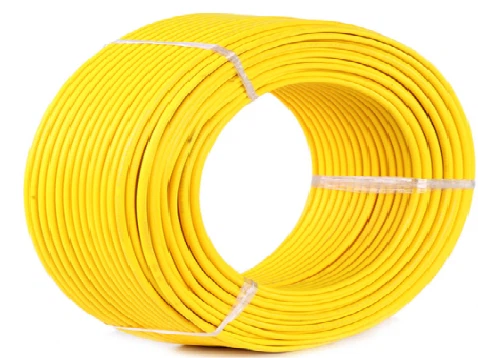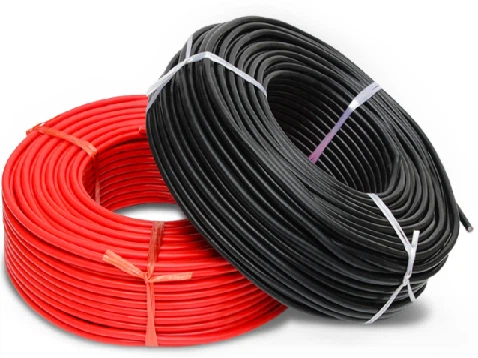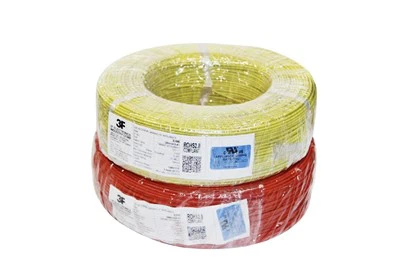

MPPE (Modified Polypropylene Ether) is a high-performance modified polyolefin insulation material widely used in fields such as wires, cables, electronics, and electrical appliances. Its core characteristics revolve around electrical insulation, weather resistance, mechanical properties, and processing adaptability, which can be analyzed in detail from the following dimensions:
1.Excellent electrical insulation performance (core advantage)
The molecular structure of MPPE has been modified and optimized, with fewer polar groups and regular molecular chain arrangement, making it a typical representative of high insulation performance materials and the core basis for its application in the electrical field:
(1)High volume resistivity and dielectric loss performance: The volume resistivity can reach over 1016Ω⋅cm (at room temperature), which can effectively prevent current leakage; The tangent value of dielectric loss angle (tanδ) is extremely low (usually<0.001, 50Hz), and it is not easy to cause insulation failure due to dielectric loss heating in high-frequency or high-voltage environments. It is suitable for scenarios such as high-frequency communication cables and high-voltage motor leads.
(2)Excellent breakdown strength: The short-term breakdown field strength can reach 25-30kV/mm (room temperature, film state), and the decrease in breakdown strength is small in high temperature (such as 100℃) or humid environments, far superior to traditional PE (polyethylene) or PVC (polyvinyl chloride) insulation materials. It can withstand rated voltage for a long time without insulation breakdown.
(3)Strong resistance to corona discharge: Under long-term alternating electric fields, MPPE surfaces are less prone to corona discharge (avoiding insulation aging caused by local electric field concentration), especially suitable for buffering insulation between insulation layers or shielding layers of high-voltage cables.

2.Excellent weather resistance and environmental stability
MPPE overcomes the aging and poor temperature resistance of ordinary polyolefins through molecular modification, such as introducing antioxidant and UV resistant groups, and can adapt to complex outdoor or harsh working environments:
(1)Wide range of high and low temperature resistance: The long-term use temperature range is -40℃~125℃ (some modified models can achieve short-term tolerance of 150℃), and it can still maintain good flexibility at low temperatures (-40℃) without the risk of brittle fracture; At high temperatures (125℃), the attenuation rate of key performance such as volume resistivity and breakdown strength is less than 10%, making it suitable for scenarios such as automotive wiring harnesses (engine compartment high temperature environment) and outdoor photovoltaic cables.
(2)Outstanding aging resistance and weather resistance: It has excellent resistance to oxidative aging and ultraviolet (UV) aging - after 1000 hours of xenon lamp aging test (simulating outdoor exposure), the retention rate of tensile strength is greater than 85%, and the retention rate of elongation at break is greater than 80%, far superior to ordinary PE (usually with a significant decrease in performance after 500 hours); Simultaneously resistant to ozone and chemical corrosion (stable to acids, alkalis, oils, and most organic solvents), it is not easy for the insulation layer to crack or swell due to environmental erosion.
(3)Excellent water resistance: MPPE has an extremely low water absorption rate (less than 0.01% within 24 hours at 23 ℃), and after long-term immersion (such as in water or humid environments), its electrical insulation performance (such as volume resistivity) hardly deteriorates, making it suitable for insulation of underwater cables and electronic devices in humid environments.
3.Balanced mechanical performance
Compared to pure PE or PP (polypropylene), MPPE achieves a balance between "rigidity flexibility" and "strength toughness" through molecular chain modification (such as introducing elastic segments or cross-linking structures), meeting the mechanical needs of different scenarios:
(1)Good flexibility and bending resistance: It still has excellent bending performance at low temperatures (-40 ℃), and is not prone to cracking after repeated bending (such as installation and wiring of wires and cables); The elastic modulus is moderate (about 800-1200MPa), which not only avoids insufficient mechanical protection caused by being too soft, but also avoids processing or installation difficulties caused by being too hard.
(2)High tensile strength and tear resistance: The tensile strength can reach 20-25MPa, the elongation at break is greater than 300%, and it can withstand external forces during installation or use; Excellent tear resistance (>50kN/m), reducing the risk of insulation layer damage caused by local friction or collision.
(3)Good wear resistance: The surface hardness is relatively high (Shore D hardness of about 60-70), and when in contact or friction with other components for a long time, the surface is not easily scratched or worn, extending the service life of the insulation layer.
4.Good processing performance and environmental friendliness
The melt flowability, molding adaptability, and environmental characteristics of MPPE make it highly cost-effective in industrial production:
(1)Easy to process and shape: The melt index (MI) can be adjusted through modification (usually 2-10g/10min, 190℃/2.16kg), with good fluidity, suitable for various processing techniques such as extrusion (such as wire and cable insulation layer extrusion), injection molding (such as electronic component casing), blown film (such as insulation film), etc; The processing temperature range is wide (usually 180-230℃), making it less likely for product defects to occur due to temperature fluctuations.
(2)High compatibility and modification potential: It can be well compatible with other polyolefins (such as PE, EVA), flame retardants (such as halogen-free flame retardants), antioxidants, color masterbatch, etc. Through blending modification, flame retardancy (such as reaching UL94 V-0 level), temperature resistance or coloring can be further improved to meet the customized needs of different industries (such as the insulation layer of halogen-free low smoke cables).
(3)Environmentally friendly and harmless: MPPE itself does not contain harmful substances such as halogens (Cl, Br), heavy metals, and phthalates. When burned, it does not release toxic gases (such as HCl, hydrogen bromide) or large amounts of smoke. It complies with environmental standards such as EU RoHS, REACH, and domestic GB/T 19666, and belongs to the "halogen-free low smoke environmentally friendly insulation material" category, suitable for fields with high environmental requirements such as new energy, rail transit, and construction.

5.Limitations (applicable boundaries to be noted)
Although MPPE has excellent performance, there are still some scenario limitations that need to be selected based on actual needs:
(1)Limited oil resistance: The tolerance to strongly polar oils (such as mineral oil and diesel) is average, and long-term contact may cause slight swelling. Therefore, it is not suitable for environments that come into direct contact with fuel or strong oils (such as insulation near engine fuel lines).
(2)Cost higher than traditional materials: Compared to PVC and ordinary PE, MPPE has a more complex modification process and higher raw material costs (about 1.5-2 times that of ordinary PE). In low-end insulation scenarios with lower performance requirements (such as ordinary civilian wires), the cost-effectiveness advantage is not obvious.
6.Summary: The core application scenarios of MPPE
Based on the above characteristics, MPPE is mainly used in fields with high requirements for insulation, weather resistance, and environmental protection:
(1)Wire and cable: insulation layer of high-voltage cable, wire harness for new energy vehicles (high and low temperature resistance+environmental protection), photovoltaic cable (UV resistance+weather resistance), underwater cable (water resistance).
(2)Electronic appliances: Transformer insulation film, motor lead insulation, electronic component housing (insulation+temperature resistance).
(3)Special fields: Rail transit cables (halogen-free low smoke+weather resistant), aerospace lightweight insulation components (lightweight+high and low temperature resistance).
Overall, MPPE is a modified insulation material with "balanced comprehensive performance and strong environmental adaptability", especially in high-end electrical insulation scenarios, gradually replacing traditional PVC and ordinary PE and becoming one of the mainstream choices.