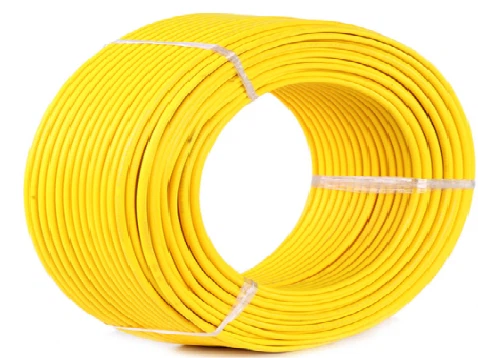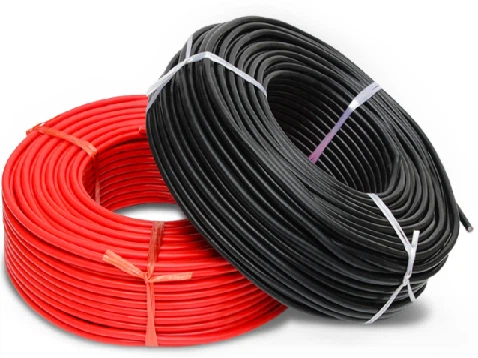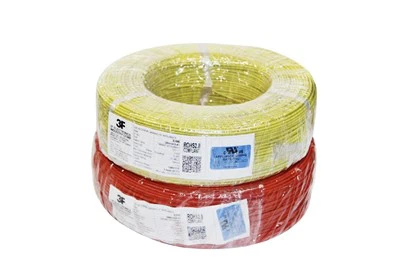

Cable design refers to selecting appropriate cable materials and specifications based on specific electrical engineering requirements, and designing them according to a certain wiring method to ensure the stability and reliability of electrical equipment connections and power transmission. Cable design needs to consider various factors such as rated voltage, rated current, laying environment, laying method, and laying length. Based on these factors, suitable cable materials and specifications can be selected, such as copper or aluminum core cables, insulation materials, and sheathing materials.
In addition, the laying method and wiring method of the cable also need to be considered. Different laying methods and wiring methods will affect the heat dissipation and maintenance difficulty of the cable, which need to be selected according to the actual situation. For example, when laying cables in a high-temperature environment, flame-retardant materials can be used to ensure the safety of the cables.
In practical applications, cable design needs to be comprehensively considered and designed based on specific situations. For example, in large industrial parks, the laying length and wiring method of cables need to be considered to ensure the stability and reliability of power transmission. In residential areas, factors such as the aesthetics and maintenance difficulty of cables need to be considered.
Therefore, cable design requires professional personnel to comprehensively consider and design to ensure the stability and reliability of electrical equipment connections and power transmission. At the same time, it also needs to be flexibly adjusted and optimized based on actual situations to meet different needs in different scenarios.