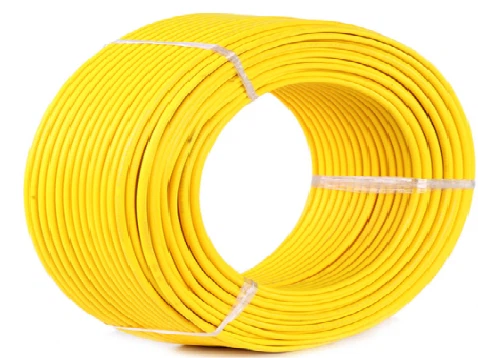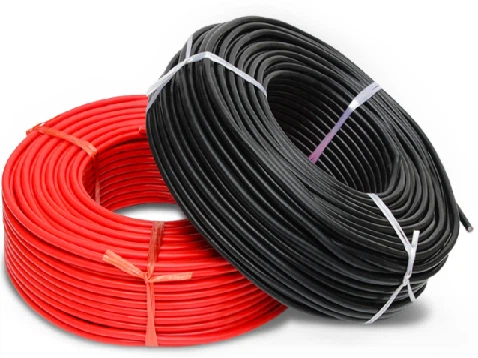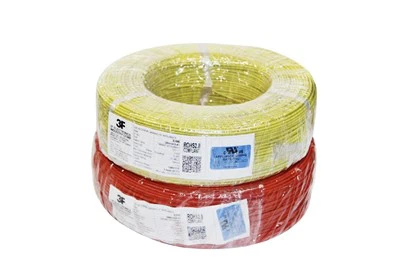

Both FLRY and FLUY are single-core low-voltage automotive wires compliant with the German standard (DIN 72551). The core difference lies in the fact that FLRY features thin-walled PVC insulation (with A/B type conductors), while FLUY boasts ultra-thin wall insulation, offering thinner insulation and superior lightweight performance. Both have basically consistent rated voltage/temperature specifications, but differ slightly in their applicable scenarios. The following provides a detailed comparison:
Comparison table of core parameters
| Project | FLRY | FLUY |
| Execution standard | DIN 72551-6, ISO 6722 Class A/B | DIN 72551, ISO 6722 Type B |
| Insulation type | Thin-walled PVC insulation | Ultra-thin wall PVC insulation |
| Conductor structure | Divided into A/B types: Type A features thinner strands and multiple cores, making it softer; Type B is of conventional stranded construction | Mostly B-type soft copper stranded wire (bare copper/tin-plated) |
| Insulation thickness | Thicker (e.g., 0.35mm2 is approximately 0.25mm) | Thinner (e.g., 0.35mm2 is approximately 0.20mm) |
| Rated voltage | 60V AC/25V DC | 60V AC/25V DC |
| Temperature range | -40℃~105℃ | -40℃~105℃ |
| Core Features | Balancing flexibility and mechanical strength, it has strong versatility | Ultimate lightweight design, with a smaller outer diameter, saves wiring space |
| Typical Applications | Conventional wiring of vehicle body electrical systems, instruments, sensors, etc | Scenarios where weight reduction/space is highly required, such as new energy vehicles and high-end models |
Analysis of key differences
Insulation and structure
1.FLRY: The insulation thickness is relatively thick, with A/B type conductors, suitable for different softness requirements, and balanced in processability and durability.
2.FLUY: The insulation is thinner (about 0.05-0.10mm thinner than FLRY), and the conductors are mostly Type B, which are lighter and thinner, suitable for high-density wiring
Performance and application
1.Electrical performance: Both have consistent rated voltage, resistance, and temperature resistance. Due to its thin insulation, FLUY requires stricter control over installation wear.
2.Mechanical properties: FLRY insulation is thicker, with slightly superior abrasion/tear resistance; FLUY is lighter and more flexible, suitable for bending and routing in confined spaces.
3.Scenario selection: FLRY has strong universality and is compatible with most traditional vehicle wiring harnesses; FLUY is primarily used in scenarios where weight reduction and high integration are required, such as new energy vehicles and intelligent cockpits.

Selection Recommendation

Priority FLRY
Traditional vehicle models, conventional electrical circuits, pursuing a balance between cost and reliability.
Priority FLUY
In the fields of new energy vehicles and high-density wiring harnesses, extreme lightweight and space optimization are required.
Precautions
FLUY insulation is thin, and it requires a matching wear-resistant corrugated tube/wire harness tape to avoid damage from sharp edges.