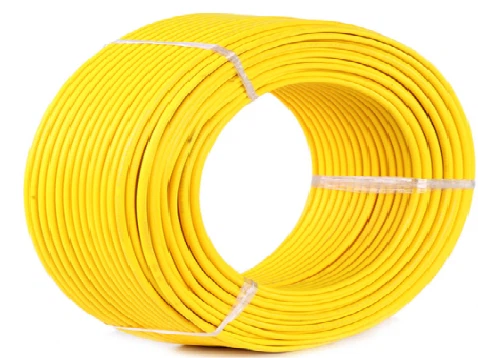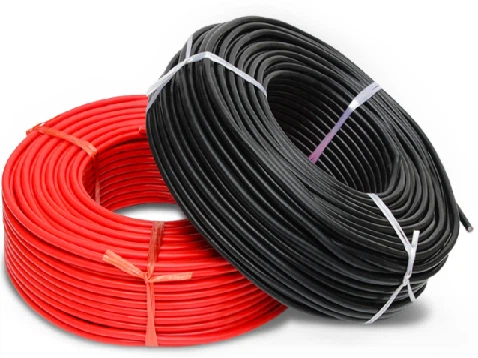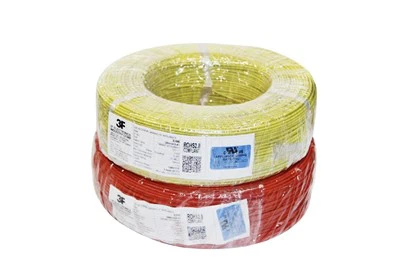

PVC wire, also known as polyvinyl chloride insulated wire, is a commonly used material in home wiring. Its insulation layer is made of polyvinyl chloride, which has good insulation, corrosion resistance, and flame retardancy, can effectively prevent leakage, ensure electrical safety, and is relatively affordable and easy to install and lay. However, the heat resistance of PVC material itself has certain limitations, which can affect its stability during current transmission and may result in performance degradation in high temperature environments.

The impact of high current on PVC wires
When a high current passes through this wires, the wires generate heat due to their own resistance. Continuous high current surge will cause the temperature of the wire to continuously rise. High temperature can accelerate the aging of PVC insulation layer, making it harder and more brittle, leading to a decrease in insulation performance and an increase in risks such as leakage and short circuit. Long term exposure to high current shocks may also cause oxidation of wire conductors, affecting their conductivity and even leading to safety accidents such as fires in severe cases.
The ability of PVC wires to withstand high currents for a long time
PVC wires are difficult to withstand the impact of high currents for a long time. Although it can operate stably within the designed rated current range, high currents exceeding their rated carrying capacity can cause the wires to operate at overload for a long time. Even though this wires have certain heat resistance, prolonged exposure to high temperatures can quickly deplete their various performance indicators, shorten their lifespan, and fail to ensure electrical safety. Therefore, they are not suitable for carrying large currents exceeding their rated current for a long time.
Factors affecting the high current carrying capacity of PVC wires
There are many factors that affect the high current carrying capacity of PVC wires. The size of the wire diameter is crucial, the thicker the wire diameter, the greater the current allowed to pass through; The laying environment also has a significant impact. If the wires are laid in conduit and the heat dissipation is poor, or if they are in a high temperature environment, the carrying capacity will be reduced; In addition, factors such as environmental humidity and the presence of corrosive gases can also affect the insulation performance and conductor conductivity of wires, thereby affecting their ability to carry high currents.

Correct use of PVC wires in home decoration wiring
Accurate planning is necessary for the proper use of PVC wires in home wiring. Firstly, it is necessary to select the appropriate wire specifications based on the electrical power, ensuring that the current is within the rated carrying range of the wire. Secondly, during the laying process, it is necessary to ensure good heat dissipation conditions, avoid excessive winding and squeezing of wires, and pay attention to the appropriate pipe diameter when laying through pipes, leaving sufficient space for heat dissipation. At the same time, regularly check the condition of the wires. If aging or damage to the insulation layer is found, replace it in a timely manner to ensure the safety and stability of home electrical use.